
Copper Tripeptide-1 (GHK-Cu) | Repair Peptide for Skin Barrier and Firmness
A high-purity cosmetic peptide: the GHK tripeptide bound to copper through Plamed's ion-balance control, for a copper peptide complex designed for formulation stability.
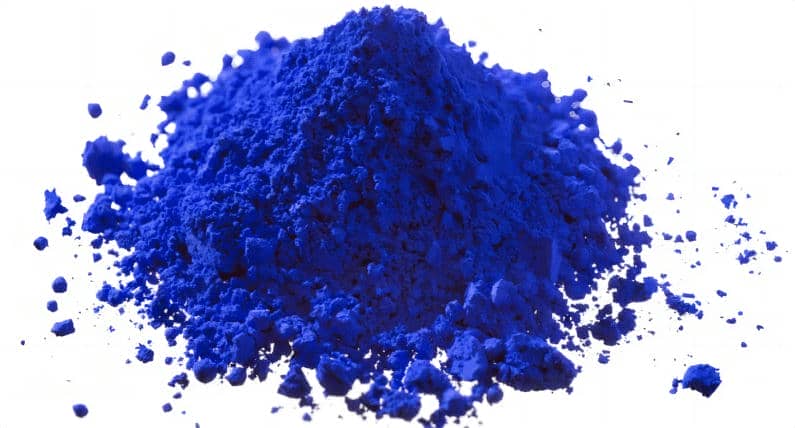
Copper Tripeptide-1
Copper Tripeptide-1 (GHK-Cu) is a classic repair and anti-aging active that helps support collagen synthesis, improve barrier function and revitalise the skin.
Beyond high purity, Plamed focuses on how the active actually performs in a formula: through an ion-balance control system that optimises the coordination stability of the GHK–copper complex, Plamed supplies a copper peptide raw material designed for activity delivery and formulation stability, a dependable option for premium repair and anti-aging products.
Copper Tripeptide-1 (GHK-Cu) Overview: Identity, Specifications and Mechanism
Item | Detail |
Product | Copper Tripeptide-1 (GHK-Cu) |
Product ID | PMKZ3201 |
INCI name | COPPER TRIPEPTIDE-1 |
Other names | GHK-Cu; GHK peptide; copper peptide |
CAS number | 89030-95-5 |
Molecular formula | C14H22N6O4Cu |
Molecular weight | 401.91 g/mol |
Purity | ≥99.0% (HPLC) |
GHK content | ≥70.0% (HPLC) |
Copper content | 10.0%–16.0% (HPLC) |
Chloride content | ≤10.0% |
Appearance | Powder |
Colour | Blue to purple |
Odor | Characteristic |
Solubility | ≥100 mg/mL in water |
Reference dosage | 0.1%–1% |
Minimal package | 10 g (pharma bottle, sterile aluminium-foil sealed) |
MOQ | 100 g |
Storage | 2–8 °C, sealed (no −20 °C storage required) |
Copper Tripeptide-1 (INCI: COPPER TRIPEPTIDE-1; CAS 89030-95-5), better known in the industry as GHK-Cu or copper peptide, is a copper peptide complex of the tripeptide glycyl-histidyl-lysine (GHK) and a copper ion — a peptide–metal coordination complex. It is an endogenous complex present in the human body, which is why this cosmetic peptide is so readily accepted in skin-repair positioning.
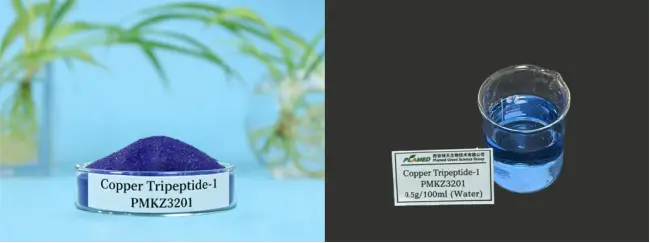
Where it sits in a formula: copper peptides for skin act on the repair-and-rebuild side of anti-aging skincare. As a physiologically relevant coordination complex, GHK-Cu regulates multiple skin-repair-related signalling pathways such as TGF-β and MAPK, promotes fibroblast activity, enhances collagen and extracellular-matrix (ECM) synthesis, and helps regulate inflammatory responses and oxidative stress. It also supports keratinocyte function and barrier-related proteins such as filaggrin, which is why GHK-Cu skincare products are most often positioned on barrier repair rather than on resurfacing. Copper peptides in skincare have moved from niche to staple: copper peptides for skincare briefs now routinely start with GHK-Cu. For copper peptide skin care projects, positioning follows the mechanism — repair first, firmness second, resurfacing never.
Name note.
GHK is the tripeptide; GHK-Cu is its copper complex; Copper Tripeptide-1 is the INCI name for the same complex — the three terms are often used interchangeably in supplier and brand communication. The blue colour is not a dye: it comes from the coordinated copper ion itself. That is why a genuine GHK-Cu solution is clear and blue, and why a fading or greenish colour is a useful on-site formulation check.
Why formulators choose this specification.
A purity of ≥99.0% (HPLC) is only the entry ticket. What decides how the raw material behaves in your formula is the four-indicator verification behind it: purity, GHK content (≥70.0%), copper content (10.0%–16.0%) and chloride content (≤10.0%) are tested together, because together they tell you the material is the true copper peptide complex rather than a GHK/copper-salt mixture, and that its coordination state is reproducible from lot to lot.
Chloride is the least obvious and most informative of the four. As a key ionic parameter, it indirectly reflects the ionic environment and the coordination stability of the system. Plamed controls the complexation step through an Ion-Controlled Coordination System to keep free copper low, because free copper is the species associated with irritation, discoloration and system instability — while avoiding the restricted activity that comes from insufficient copper ions.
Related products.
For peptide combinations, see Acetyl Hexapeptide-8, Palmitoyl Pentapeptide-4 and Palmitoyl Tripeptide-1.
Note that Copper Tripeptide-1 must not be combined directly with carnosine, ergothioneine or chelating agents, see the Application & Reference Dosage tab for the full compatibility list.
Cosmetic Peptide Manufacturing: Synthesis Route and Controlled Copper Complexation
Copper Tripeptide-1 (GHK-Cu) is a product of chemical synthesis. Chemical synthesis is mainly divided into solid-phase peptide synthesis (SPPS) and liquid-phase peptide synthesis (LPPS). With coordination stability as its core focus rather than control of a single parameter, Plamed has implemented ionic-balance control to meet the compliance, efficacy and global marketing requirements of premium cosmetic ingredients.
Plamed prepares high-purity GHK by solid-phase peptide synthesis combined with highly efficient purification technology, then complexes it with copper under controlled ion balance. SPPS was chosen for a simple reason: it supports quantified coordination control rather than single-metric control. Purity, GHK content, copper content and chloride content are tested together on every lot, which keeps free-ion interference down and makes the coordination structure measurable. The output is a 100% pure powder active with no solvent dilution, so the added amount in your formula is the amount that arrives.
SPPS vs LPPS: how the two routes compare
Dimension | Solid-phase peptide synthesis (SPPS) | Liquid-phase peptide synthesis (LPPS) |
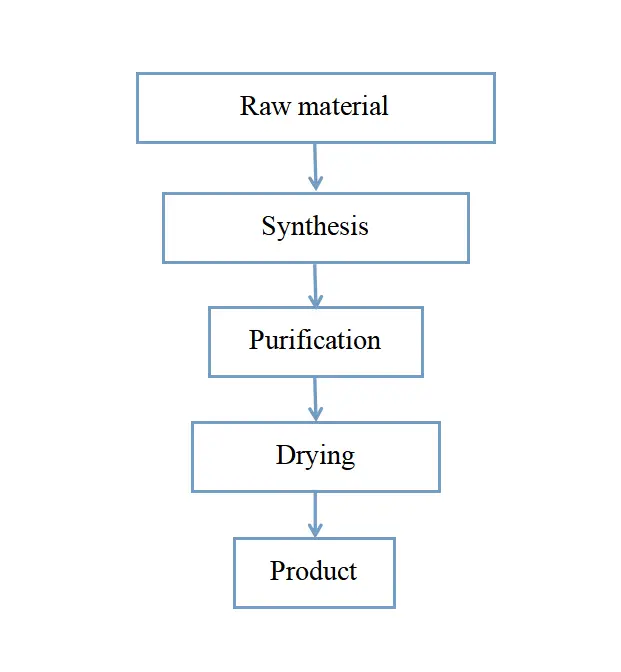
Process | Raw materials → synthesis → purification → drying → filling; released with quantified coordination control (purity, GHK content, copper content, chloride content tested together) | Pure liquid-phase reaction system: multiple amino-acid coupling steps, deprotection, stepwise extraction and purification, lyophilisation |
Advantages | Quantified coordination control with less free-ion interference and more stable structure; stable batch quality (purity ≥99.0%, GHK content ≥70.0%, copper content 10.0%–16.0%); fully controllable production yielding a 100% pure powdered active with no solvent dilution, so formula dosing is precise | Lower raw-material costs and greater flexibility for small-batch customised synthesis; suited to short peptides and small-molecule fragment synthesis |
Limitations | Higher synthesis cost than the liquid-phase method and higher technical requirements | Complex synthesis steps, greater difficulty in purity control, high cost of scaled-up production |
Synthesis and complexation flow
GHK peptide synthesis (solid-phase) → purification → controlled copper complexation (ion-balance control) → drying → filling → QC release.
Quality control at release
Each lot is released against the specification in the Technical Data tab: the four-indicator verification (purity, GHK content, copper content, chloride content) plus heavy metals (Pb, As, Hg, Cd), pH (1% aqueous solution), solubility, the sensory checks (appearance, colour, odour) and microbiological limits. The blue-to-purple colour is checked as a visual indicator of the complexation state. A Certificate of Analysis accompanies each lot.
Copper Tripeptide-1 Specifications: Purity, GHK Content and Four-Indicator Quality Control
Test item | Specification |
Purity | ≥99.0% (HPLC) |
GHK content | ≥70.0% (HPLC) |
Copper content | 10.0%–16.0% (HPLC) |
Chloride content | ≤10.0% |
Appearance | Powder |
Colour | Blue to purple |
Odor | Characteristic |
Solubility | ≥100 mg/mL (H₂O) |
pH (1% aqueous solution) | 5.0–7.0 |
Lead (Pb) | ≤10 ppm |
Arsenic (As) | ≤2 ppm |
Mercury (Hg) | ≤1 ppm |
Cadmium (Cd) | ≤5 ppm |
Total plate count | ≤1000 cfu/g |
Yeast & mould count | ≤100 cfu/g |
What These Specifications Mean for Your Formulation
A complex, not a mixture. Copper content (10.0%–16.0%) plus GHK content (≥70.0%) together confirm the material is genuine copper peptide complex rather than GHK blended with a copper salt.
Chloride is the ion-balance tell. Chloride content ≤10.0% is the fourth indicator, and it indirectly reflects the ionic environment around the complex. Treat a drift here as a question about the coordination state, not just another number.
High purity, fewer unknowns. ≥99.0% by HPLC means fewer synthesis by-products carried into your finished formula. This is a pure powder with no solvent dilution, so 10 g of material is 10 g of active.
Heavy metals are controlled to four markers — Pb ≤10 ppm, As ≤2 ppm, Hg ≤1 ppm, Cd ≤5 ppm — the limits most purchasing teams ask about first on any metal-containing active.
Peptide solubility ≥100 mg/mL in water dissolves readily in the aqueous phase across the 0.1%–1% recommended use level.
Mild pH window, 5.0–7.0 measured as a 1% aqueous solution.
Colour as a built-in QC signal. The blue-to-purple tone reflects the coordinated copper; a shift towards green or cloudiness in your own formula is an early warning of complexation breakdown, not something to mask with dye.
What does copper tripeptide-1 do in the skin? Mechanism and benefits
Copper Tripeptide-1 acts on the extracellular matrix, on the barrier and on oxidative load at once, which is unusual for a single small molecule. The copper peptides' skin benefits described in published work fall into five routes, all reported at the in vitro or model level rather than as clinical claims.
1. Regenerative repair and micro-environment regulation
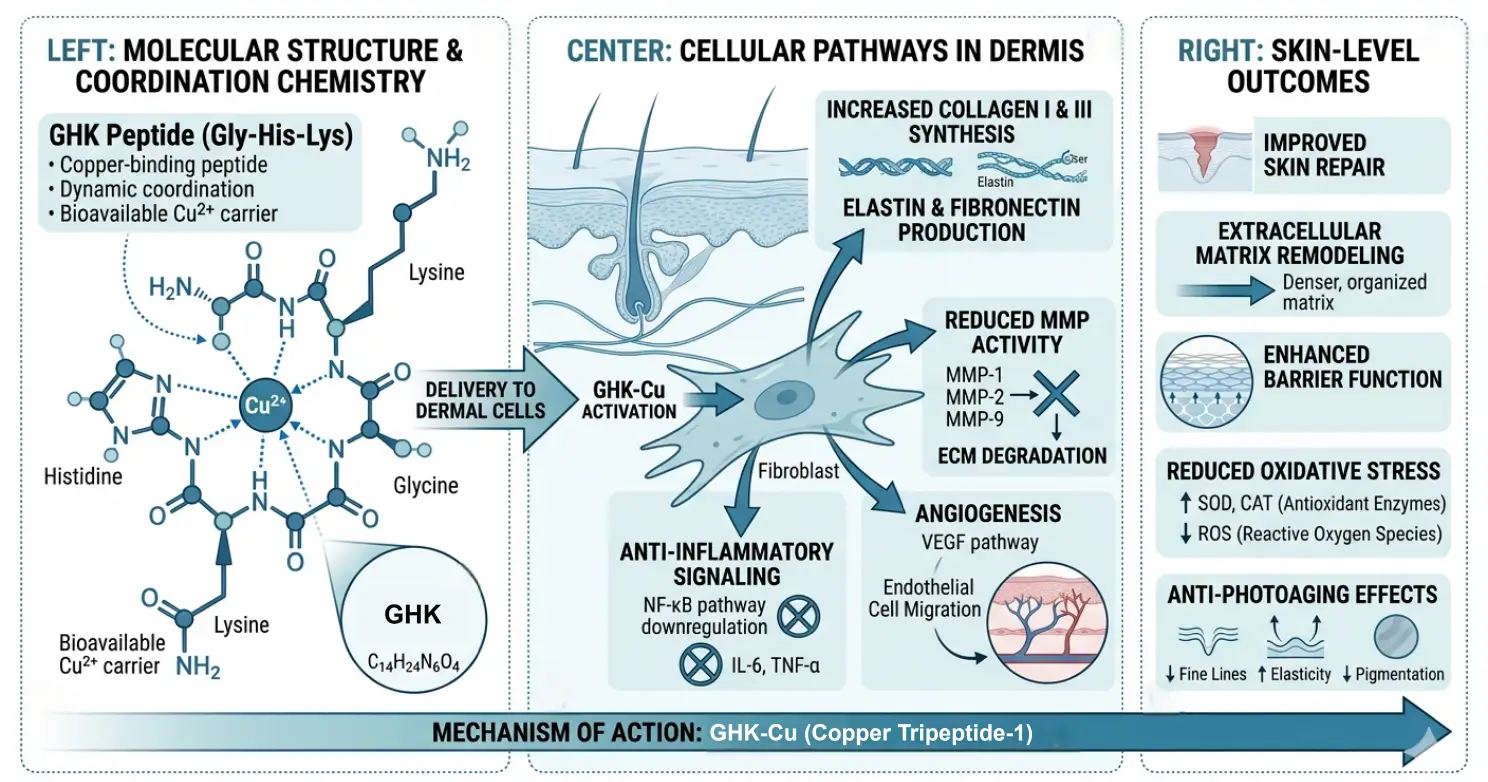
Derived from the naturally occurring human tripeptide GHK, Copper Tripeptide-1 forms a stable complex through coordination with copper ions. In vitro studies and relevant models indicate it can support fibroblast migration and activity regulation, and help modulate cell behaviours associated with skin repair — the mechanism described for copper peptides' cellular regeneration effects, improving the overall condition of the skin micro-environment. Its role in regulating intercellular signalling may help maintain the dynamic balance of skin tissue; this is the mechanistic basis cited for GHK-Cu for skin regeneration.
2. Collagen support and anti-aging regulation
Copper Tripeptide-1 can regulate ECM-related signalling pathways such as TGF-β, promote fibroblast activity and support the expression of collagen-related proteins including type I and type III collagen, elastin and fibronectin. Its regulation of matrix metalloproteinases (MMPs) may help maintain the dynamic balance between collagen synthesis and degradation — the remodelling state behind improved age-related signs such as fine lines and loss of firmness.
3. Soothing and barrier support
Published in vitro work describes modulation of inflammation-related signalling pathways such as NF-κB, and a reduction in the expression of pro-inflammatory factors including IL-6 and TNF-α to a certain extent. Copper Tripeptide-1 also supports keratinocyte function and the expression of barrier-related proteins such as filaggrin, helping improve skin-barrier integrity and reduce transepidermal water loss (TEWL). This is the evidence base behind its use in sensitive-skin and barrier-impaired-skin concepts.
4. Antioxidant activity and photoaging support
Copper Tripeptide-1 has natural antioxidant activity and can participate in the removal of reactive oxygen species (ROS), reducing the impact of oxidative stress on skin cells. In UV-induced photoaging models it regulates oxidative stress and related signalling pathways, reduces MMP expression to a certain extent and supports ECM stability, helping delay the structural deterioration caused by photoaging.
5. Why the coordination state decides the outcome
The biological activity of Copper Tripeptide-1 depends to a considerable extent on its stable coordination structure. In a formulation system, performance is decided not by the peptide alone but by the copper coordination state and the ionic environment around it. If the coordination equilibrium is disrupted — by competing metal ions, pH changes or an unstable ionic environment — both structural integrity and functional performance can be affected. Controlling ionic balance and coordination stability through the Ion-Controlled Coordination System is therefore what makes activity stable, consistent and predictable batch after batch.
Why choose Plamed's Copper Tripeptide-1?
Physiologically relevant complex: GHK-Cu is the natural copper–peptide complex found in human plasma, not a synthetic analog — it regulates skin-repair-related signalling such as TGF-β and MAPK.
≥99% purity by HPLC, with a batch COA for every lot.
Produced via solid-phase peptide synthesis with controlled metal-content quality gates.
Low MOQ (100 g) for R&D trials, with scale-up supply from a peptide manufacturer.
One-stop formulation support: pairs with Palmitoyl Tripeptide-1 / Palmitoyl Pentapeptide-4 for collagen signalling (see Related products).
Copper Peptide Benefits for Skin: Firmness, Repair and Antioxidant Support
1. Firmness and elasticity
By supporting the expression of type I and type III collagen, elastin and fibronectin, and helping keep collagen synthesis and degradation in balance, Copper Tripeptide-1 helps improve the appearance of skin firmness and elasticity — the benefit most GHK-Cu skin cream and serum formats are built around, and the reason formulators shortlist a GHK-Cu peptide for skin-tightening concepts and copper peptides for skin-tightening claims.
2. Skin repair and regeneration
As an endogenous complex present in the human body, GHK-Cu supports the fibroblast migration and activity regulation described for skin repair. Among GHK-Cu peptides for skin, this repair-and-rebuild pathway is the best documented. For brands positioning on copper peptides for loose-skin concerns — what the industry labels laxity — this is the repair-and-rebuild pathway: improved micro-environment conditions, supported matrix rebuild and a visibly renewed skin surface. Searches for a copper peptide for loose skin, a GHK-Cu peptide for loose-skin firming or GHK-Cu loose-skin routines all map to this same pathway. This is why copper peptide is a common choice in barrier-repair and post-procedure-positioned skincare.
3. Barrier and soothing support
The reported effects on NF-κB signalling, IL-6 and TNF-α expression, together with support for filaggrin and reduced TEWL, give GHK-Cu a documented place in sensitive-skin and compromised-barrier positioning. Formulators typically pair it with humectants such as hyaluronic acid and panthenol for this purpose.
4. Antioxidant and photoaging support
Through its natural antioxidant activity and participation in ROS removal, Copper Tripeptide-1 supports the skin's antioxidant defence, and photoaging models describe reduced MMP expression alongside maintained ECM stability. That combination is what positions it in premium anti-aging and after-sun repair concepts as well as in repair.
5. Where it sits in an anti-aging formula
In an anti-aging formula, copper peptide covers the repair-and-rebuild pathway: it complements hydration-focused humectants and antioxidant actives, and is often combined with other cosmetic peptides. Most copper peptide skincare products pair Copper Tripeptide-1 with a signal peptide, and skincare with GHK-Cu peptide actives is no exception: it works alongside Acetyl Hexapeptide-8 and Palmitoyl Pentapeptide-4 in multi-peptide systems — a multi peptide anti-ageing serum is the classic format — but it must not be paired directly with chelating agents, strong acids, strong alkalis, strong oxidising agents or other copper-competing actives without stability testing; see the Application & Reference Dosage tab
Anti-aging skincare ingredients to look for
Among the ingredients formulators shortlist — copper peptides' anti-aging slot, retinoids, antioxidants and humectants — the checks are the same regardless of marketing: a documented mechanism, a published specification, safety data, and a COA issued per lot. Claims such as "best copper peptides for skin" are search language, not specification: the best copper peptide for skin is the one whose four-indicator COA you can actually verify. Shortlists of the best copper peptides for face usually start with GHK-Cu for the same reason — the specification is public. Brand-attached searches such as skin biology copper peptide show how established the ingredient is; when comparing any copper peptide serum — Skin Biology included — the four-indicator COA is the neutral yardstick.
How to Use Copper Tripeptide-1: Dosage, pH, Temperature and Compatibility
Plamed provides high-purity, coordination-stable Copper Tripeptide-1. Effective repair and anti-aging benefits can be achieved at low use levels. It is widely used in a broad range of skincare products, including post-medical-aesthetic repair, sensitive-skin care, premium anti-aging, skin-barrier repair and after-sun repair products. Across copper peptides in skin care formulas the working level is low — 0.1%–1%; copper peptides' skin care positioning spans repair, firmness and antioxidant care alike.
Application area | Typical products | Why the ingredient fits |
Water-based leave-on | Serums, essences, lotions, creams, gels | Water-soluble (≥100 mg/mL); added in the aqueous phase |
Rinse-off and entry products | Facial cleansers, toners | Readily soluble in water, relatively stable across the pH 4–8 window |
Eye and after-sun care | Eye creams, after-sun repair products | Complexed copper; free-copper irritation and discoloration risks are controlled at source |
Reference dosage: 0.1%–1% (Copper Tripeptide-1, purity ≥99.0%).
Formulation guidelines
Addition stage and temperature: add to cosmetic formulations below 45 °C, during the final stage of the process.
pH: the complex is relatively stable at pH 4–8. Below about pH 4.0 the GHK–copper coordination is disrupted and the blue colour disappears; above about pH 8.0 copper tends to form insoluble copper hydroxide. Both ends cost you the active. Note the material's own pH specification, 5.0–7.0 measured on a 1% aqueous solution, describes the powder in water, not your finished formula.
Oxidation and environment: not recommended for use with strong acids, strong alkalis, strong oxidising agents, chelating agents or similar materials; also mind high-electrolyte environments, since the coordination equilibrium is sensitive to the electrolyte environment.
Incompatibility of Copper Tripeptide-1
Do not combine directly with | What happens |
Strong acids and low-pH systems | Outside the pH 4–8 window the coordination equilibrium is disrupted and activity is lost |
Strong alkalis | Copper tends to form insoluble copper hydroxide at the high end |
Strong oxidising agents | Oxidative attack on the system degrades performance |
Chelating agents (e.g., disodium EDTA) | Chelators compete for and strip the copper ion, destroying the complex |
Competing coordination factors — complex plant extracts, enzyme extracts, metal-binding actives | The coordination structure is sensitive to competing ligands; combine only after stability testing |
Where you will find it on the market
In finished products, this copper peptide currently appears across barrier-repair masks, firming creams and serums, post-procedure ampoules, sensitive-skin lotions and after-sun repair formats — skin products with copper peptides cluster around repair and firmness, not around resurfacing — across premium through to mass positioning in China, France, the United States, Japan and South Korea. Creams with copper peptides are the most common entry SKU, and a copper cream for skin barrier repair is where many formulators meet the ingredient first. At the premium end, copper peptides — serum for face formats especially — sit beside the GHK-Cu serum for face classics, while copper peptide serum for skin evaluation samples are usually the first request a formulator sends; briefs for the best copper peptide serum for face start with the COA, not the marketing.
Is copper tripeptide-1 safe? Regulatory status and storage
Regulatory status
China — Copper Tripeptide-1 is included in the Inventory of Existing Cosmetic Ingredients in China (IECIC), 2021 edition, issued by the National Medical Products Administration (NMPA).
United States — included by the Personal Care Products Council (PCPC, formerly CTFA) as a compliant cosmetic ingredient.
European Union — included in the EU CosIng database as a compliant cosmetic ingredient.
Why complexed copper matters for safety
In GHK-Cu the copper is bound in complexed form. Free copper ions are the species associated with irritation, discoloration and system-instability risks — which is why the complexation step, not only the purity number, is the safety-relevant control point, and why Plamed controls free copper through ion-balance complexation.
Copper Tripeptide-1 is an endogenous GHK-Cu complex, present in the human body, with good biocompatibility and a long history of cosmetic use. Based on available public data and that history of use, it generally demonstrates good skin tolerability when used under recommended conditions: assessments related to skin irritation and sensitisation indicate low irritation and sensitisation potential, with no apparent phototoxicity risk. Within the conventional cosmetic use range of 0.1%–1%, no significant adverse-reaction reports associated with this ingredient have been observed.
Packaging and storage
Item | Detail |
Package | 10 g pharmaceutical bottle with a sterile aluminium-foil seal inside the bottle opening |
Storage | Store the product sealed at 2–8 °C |
Handling | No −20 °C ultra-low-temperature storage is required. After opening, use as soon as possible and avoid prolonged exposure to air, to prevent moisture absorption and microbial contamination |
Which ingredients combine with copper tripeptide-1?
Copper tripeptide-1 is water-soluble and is dosed in the cooled aqueous phase below 45 °C. It is commonly paired with humectants for barrier-repair concepts and with signal peptides for firmness; avoid strong chelators and low-pH acid systems in the same phase, since the coordination complex is only stable within its pH window and chelators compete for the copper ion.
Copper Tripeptide-1 Wholesale: Price, MOQ and Supply
Plamed is a peptide supplier and peptide manufacturer of botanical and biotech cosmetic actives; as a cosmetic peptides manufacturer, it supplies copper peptides for skin care brands factory-direct — Copper Tripeptide-1 (GHK-Cu) among them. For a copper tripeptide-1 supplier comparison, the four-indicator COA below is what you should ask any vendor for.
Item | Detail |
Product | Copper Tripeptide-1 (GHK-Cu) |
Product ID | PMKZ3201 |
INCI name | COPPER TRIPEPTIDE-1 |
Specification | Purity ≥99.0% (HPLC); GHK content ≥70.0% (HPLC); copper content 10.0%–16.0% (HPLC); chloride content ≤10.0% |
Appearance | Blue to purple powder |
Solubility | ≥100 mg/mL in water |
Reference dosage | 0.1%–1% |
Minimal package | 10 g (pharma bottle, sterile aluminium-foil sealed) |
MOQ | 100 g |
Samples | Samples available for laboratory evaluation and pilot trials |
Storage | Preserve in tight containers; store at 2–8 °C |
Available Document of Copper Tripeptide-1
Certificate of Analysis (COA)
Material Safety Data Sheet (MSDS)
Manufacturing Process Flowchart
Stability & Basic Performance Test Report
Product Introduction & Technical Dossier
To request a quote or a sample, contact Plamed Green Science Group here.
Q1. What is Copper Tripeptide-1 (GHK-Cu)?
Copper Tripeptide-1 is the INCI name of GHK-Cu, a copper peptide complex of the GHK tripeptide (glycyl-histidyl-lysine) and a copper ion — a peptide–metal coordination complex; CAS 89030-95-5, molecular formula C14H22N6O4Cu, molecular weight 401.91 g/mol. It is an endogenous complex present in the human body. Plamed supplies it (Product ID PMKZ3201) as a blue-to-purple powder with ≥99.0% purity (HPLC), GHK content ≥70.0%, copper content 10.0%–16.0% and chloride content ≤10.0%.
Q2. What do copper peptides do for skin?
Copper peptides for skin work on the repair-and-rebuild side: GHK-Cu regulates skin-repair-related signalling such as TGF-β and MAPK, promotes fibroblast activity, supports the expression of type I and type III collagen, elastin and fibronectin, and helps keep ECM synthesis and degradation in balance. It also supports barrier-related proteins such as filaggrin and helps reduce TEWL. In practical terms it is used to support firmness, elasticity, barrier repair and a more youthful-looking skin. It is a repair and anti-aging active; exfoliation and colour correction are not its role.
Q3. Why does GHK-Cu need controlled complexation — what is free copper and why does it matter?
GHK-Cu is a coordination complex, not a mixture of GHK and a copper salt. If complexation is poorly controlled, free copper ions remain in the powder. Free copper is the species associated with skin irritation, discoloration and system-instability risks in a formula. Plamed controls the complexation step through an Ion-Controlled Coordination System so the copper stays coordinated with GHK, keeping free copper low — while avoiding the restricted activity that comes from insufficient copper ions.
Q4. What should I check when comparing copper peptide suppliers?
Four things, in this order. 1) Complex identity, not just purity: GHK content and copper content published alongside HPLC purity, ideally with chloride content as a fourth indicator of the ionic environment. 2) Free-copper and colour control, because colour reflects the complexation state. 3) Formulation-relevant data: peptide solubility, pH window and compatibility limits. 4) Documentation: a COA per lot against the same published specification, plus heavy-metal limits. A cosmetic peptides manufacturer that publishes these is easier to qualify than one that quotes a single purity number.
Q5. How is Copper Tripeptide-1 manufactured?
In two stages: the GHK tripeptide is made by solid-phase peptide synthesis (SPPS) combined with highly efficient purification, then complexed with copper under controlled ion balance, dried and packed as a 100% pure powder with no solvent dilution. Liquid-phase peptide synthesis (LPPS) is the alternative chemical route, lower in raw-material cost but harder to hold at purity at scale. For a copper peptide, the complexation and QC step is as decisive as the synthesis route itself.
Q6. What is the recommended use level, pH and addition temperature?
0.1%–1%, added in the final stage of the process below 45 °C, in a formula kept in the pH 4–8 window where the complex is relatively stable. Below about pH 4.0 the GHK–copper coordination is disrupted and the blue colour disappears; above about pH 8.0, copper tends to form insoluble copper hydroxide. Both extremes cost you the active.
Q7. What is Copper Tripeptide-1 incompatible with?
Strong acids and low-pH systems, strong alkalis, strong oxidising agents, and chelating agents such as disodium EDTA — chelators compete for and strip the copper ion, destroying the complex. Also treat competing coordination factors with caution: complex plant extracts, enzyme extracts and other metal-binding actives should only be combined after stability testing, and high-electrolyte environments should be managed because the coordination equilibrium is sensitive to the electrolyte environment.
Q8. Why has my copper peptide formula changed colour?
Colour is information. Genuine GHK-Cu is blue and clear because the colour comes from the coordinated copper, not from a dye. A shift towards green, cloudiness or fading usually means the complex is under attack — most often pH outside the 4–8 window, a chelating agent, a competing coordination factor or oxidising conditions. Check those four first before reformulating.
Q9. Is GHK-Cu suitable for sensitive skin, and what finished-product forms use it?
The endogenous complex has good biocompatibility, and assessments indicate low irritation and sensitisation potential with no apparent phototoxicity risk, which is why copper peptide is widely used in sensitive-skin-care and barrier-repair concepts; free copper is the risk species, which is again a complexation-quality question. GHK-Cu skin care products cover serums, creams, gels, toners, masks and eye products — the raw material is water-soluble (≥100 mg/mL) and works in the aqueous phase. Whether a copper peptide serum for skin evaluation stays stable in your base depends on the formula's pH and compatibility management, not on a special form of the ingredient.
Q10. Where to buy Copper Tripeptide-1: MOQ, samples, lead time and documents?
Directly from Plamed as a raw material to formulators and brands — copper tripeptide-1 buy enquiries are not served through retail channels. Send your target quantity, destination market and required documents; price is quoted per project. Product ID PMKZ3201, MOQ 100 g, minimal package 10 g in a sealed pharma bottle, standard lead time 3–5 working days after payment. Samples are available for laboratory evaluation and pilot trials, and TDS/COA/MSDS and compliance support documents are available on request.